CURATOR'S SELECTION:
Ascend/Descend
Throughout the history of art, stairs and pathways have functioned as more than architectural or natural structures. They establish direction, movement, perspective, and a sense of passage between one space and another. They also occupy a liminal space between arrival and departure, interior and exterior, the known and the unknown. From the grand staircases of European palaces, depicted as symbols of power and social hierarchy, to the urban stairways such as the ladders, escalators, and elevators of the modern city, these forms have shaped how we experience and navigate space. In landscape painting, pathways similarly guide the eye through the image, contributing to the traditions of the picturesque by creating a visual and psychological journey into the natural world. Whether architectural or organic, stairs and pathways invite movement while also suggesting transition and the possibility of somewhere beyond what is immediately visible.
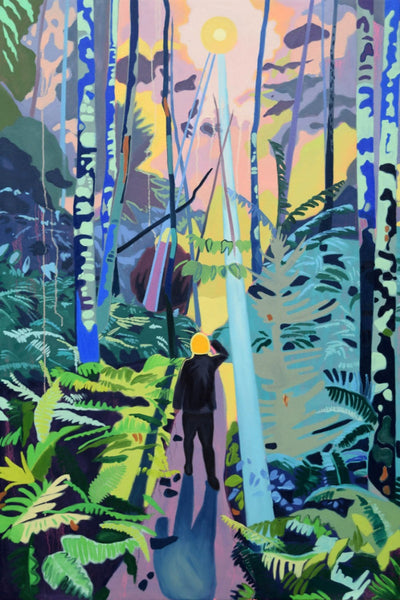
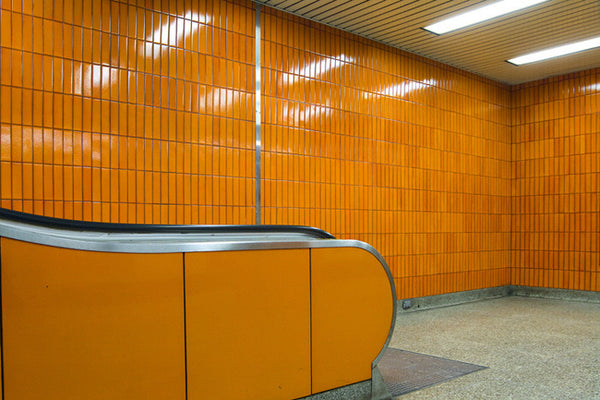
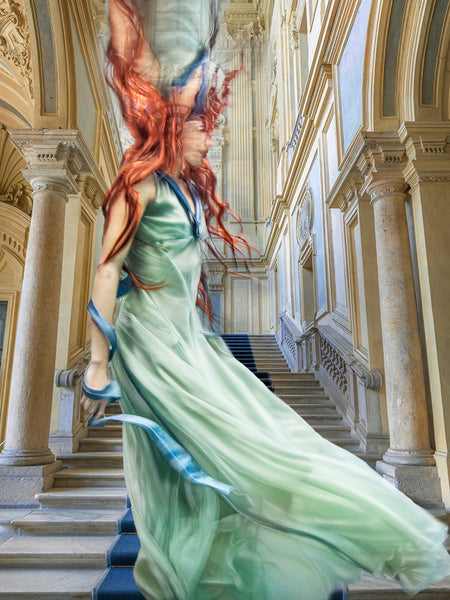
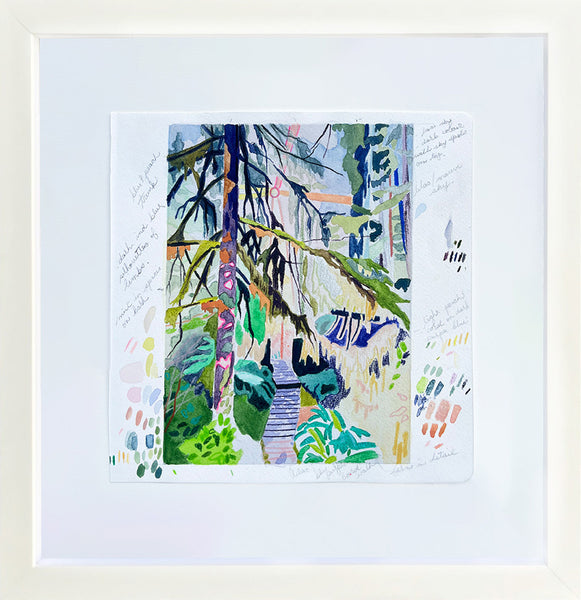
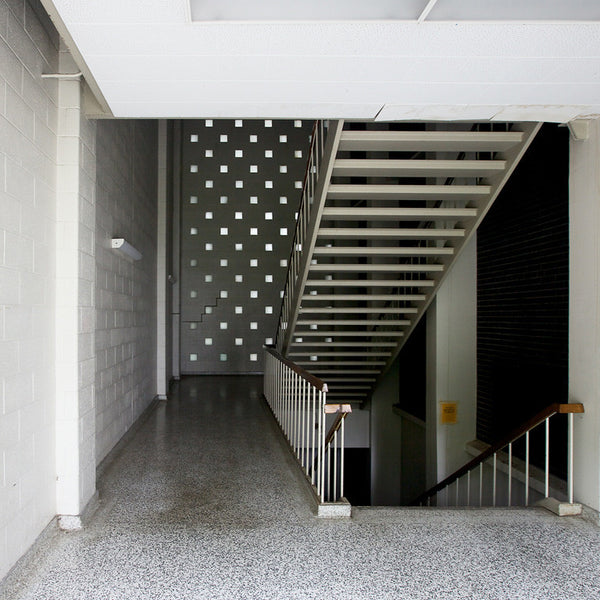
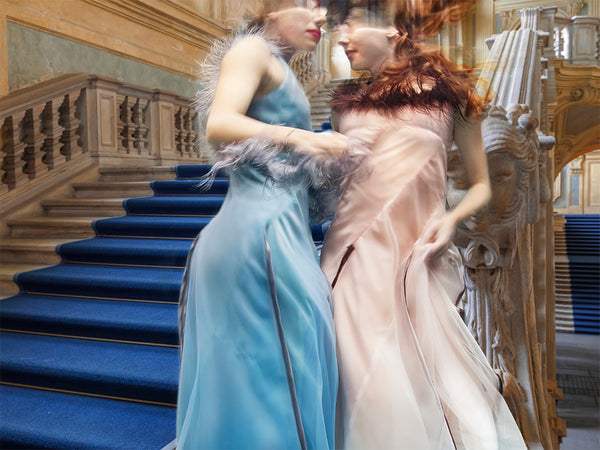
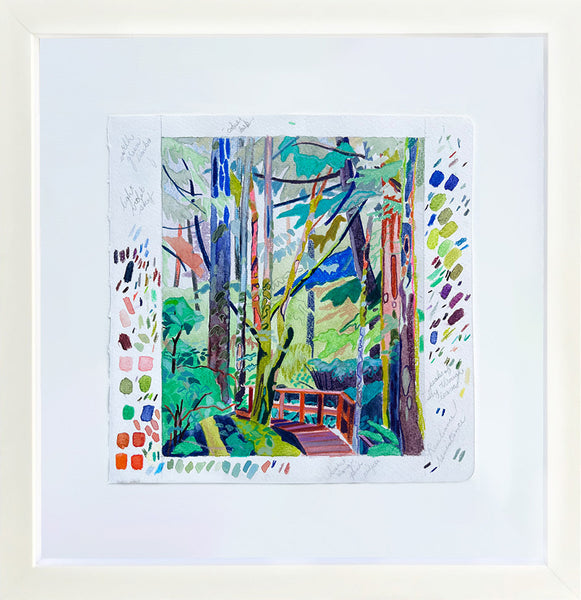
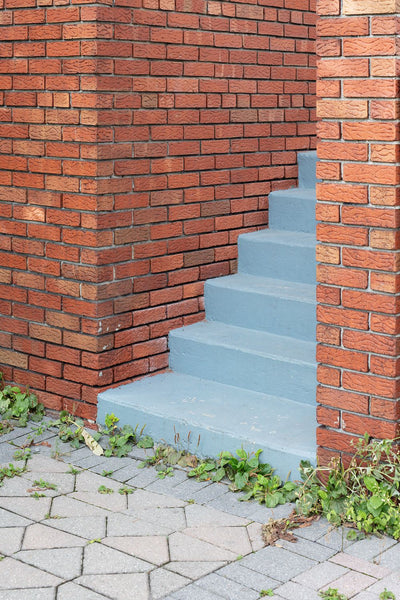
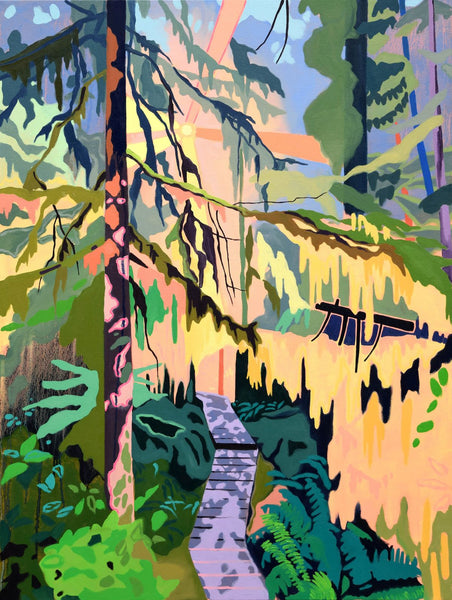
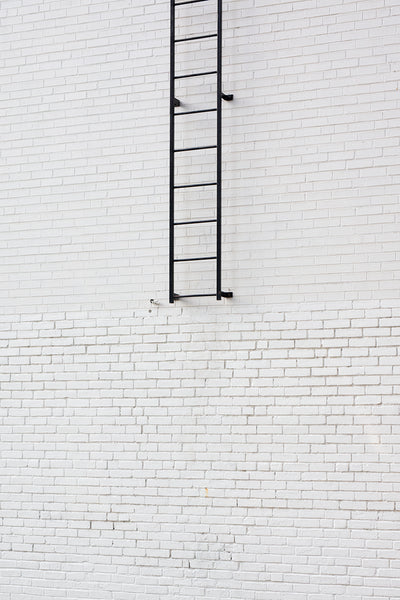
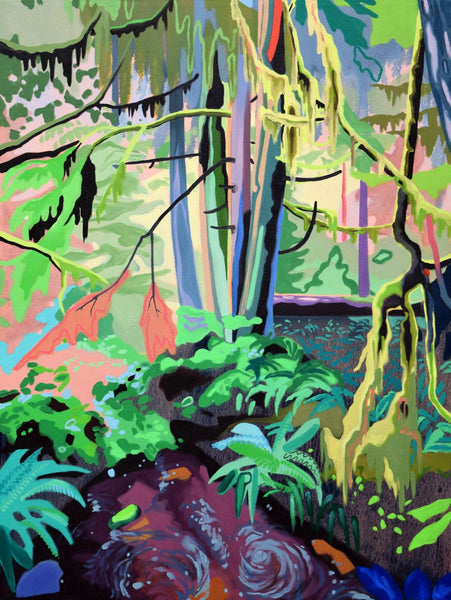
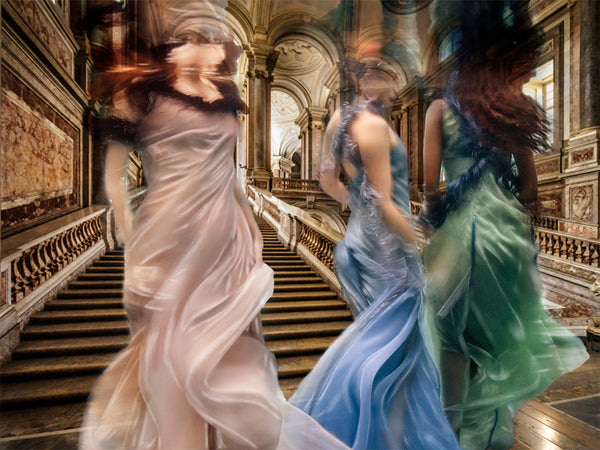
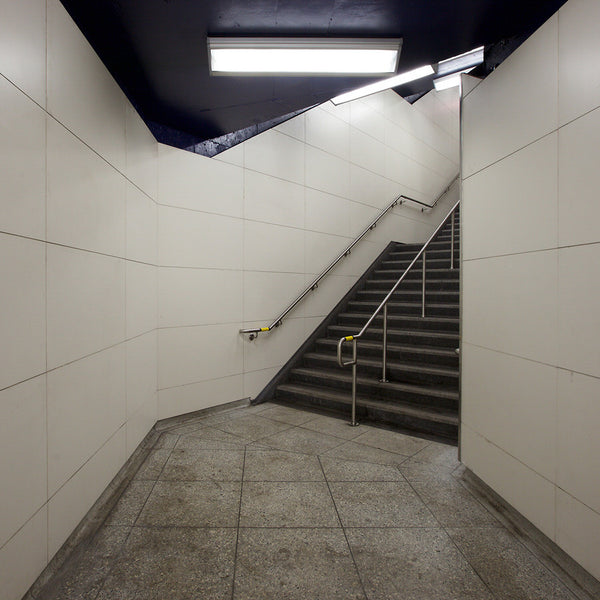
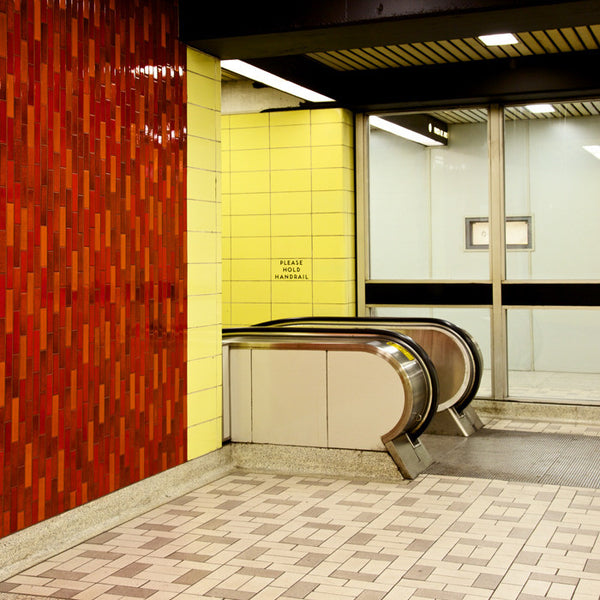
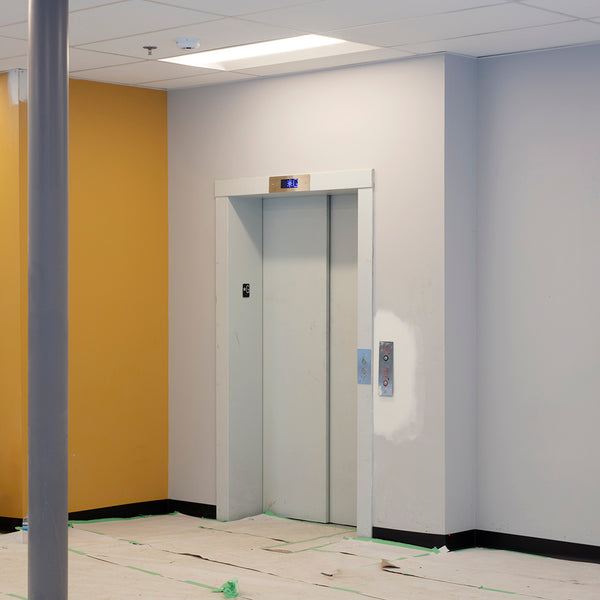
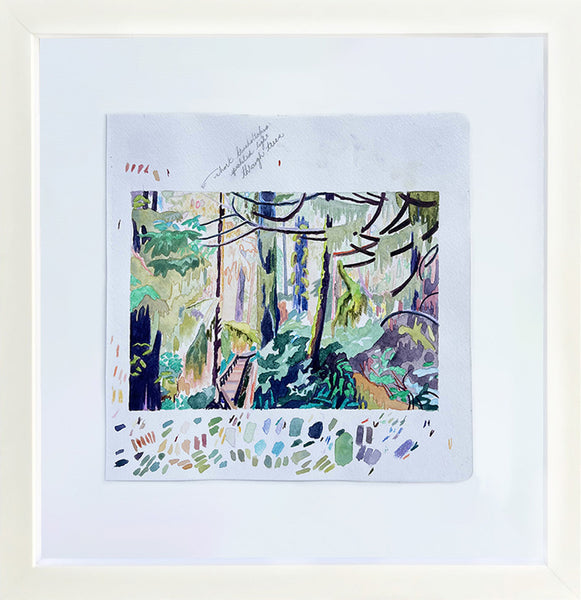
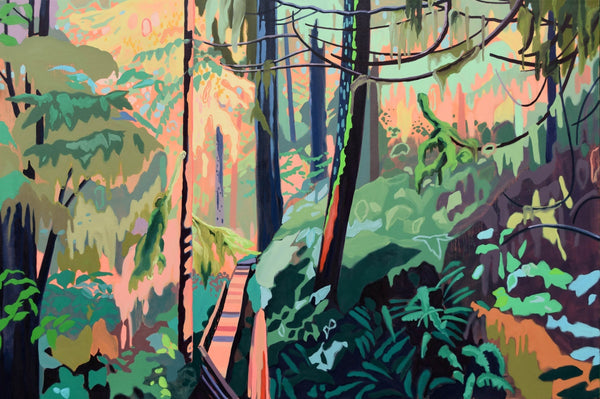
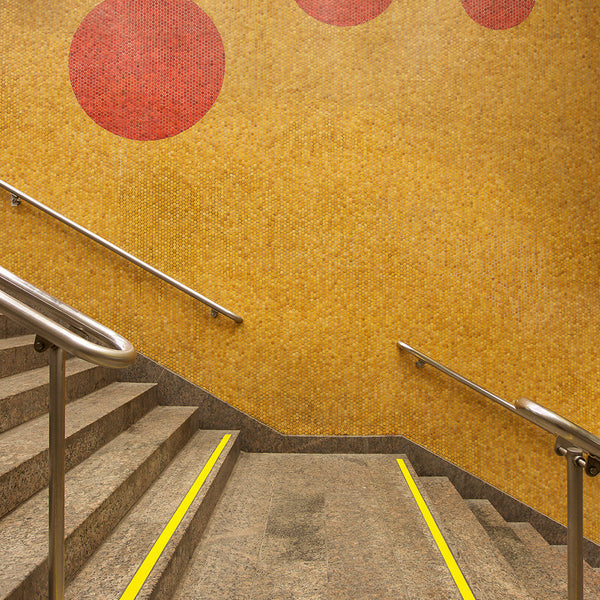
In this Curator’s Selection, we consider how artists have used stairs, ladders, and pathways to explore movement, perspective, and the experience of place. Barbara Cole’s photographs from her Somewhere series turn the staircases and interiors of European palaces into atmospheric spaces, where architectural grandeur is heightened by elegant figures imposing and enacting a narrative element into the composition. Chris Shepherd’s urban views of ladders, stairs, and escalators throughout the Greater Toronto Area shift this dialogue into the contemporary city, transforming familiar structures of circulation into compositions of line, rhythm, geometry, and movement. Mel Gausden’s paintings of stair-like and natural pathways through the forests of Vancouver Island offer another interpretation of passage, where trails lead the viewer into dense woodland and the forms of tree limbs can echo the structure of ladders. Across these works, stairs and pathways become visual devices that connect one space to another while prompting us to consider how we perceive, and inhabit our surroundings.
This Curator’s Selection invites us to reflect on the experience of moving through space: what draws us forward, what remains beyond our view? How does a pathway's shape inform our perception of a place? Do stairs feel inviting or imposing? Do they suggest arrival, departure, discovery, or uncertainty? As these works demonstrate, the stair is both an architectural form and a visual metaphor, offering a way to understand how we move between places, experiences, and the unknown.